


With so many rubber products manufacturers in India, it can be overwhelming to select the right one. This guide includes all the industrial rubber components produced in the country, raw materials involved in the production of the rubber components and industries that use the rubber components daily. You will also know the difference between the dependable industrial rubber products manufacturer and one that skims the corners on quality. At the end of this, you should have a good idea of what you want to know before ordering, whether you are looking for an individual custom part, or ordering a large quantity of custom products.
What Defines an Industrial Rubber Product
An industrial rubber product is any rubber product that is manufactured to perform a particular mechanical duty and not the daily needs of the consumer. Such as seals, bushings, gaskets and moulded parts within vehicles, machines and industrial equipment. Depending on the location where they are used, these parts are designed to resist pressure, vibration, heat or chemicals. The tolerances are tighter and the failure rate is greater, so industrial rubber parts are tested and quality controlled more than a rubber part that you might pick up at a store.
Key Industrial Rubber Products Manufactured in India
India has a strong base of rubber manufacturing, and most established factories produce a wide catalogue of parts rather than just one item. Here are the main categories, along with what each one is typically used for:
- Rubber Bushings, used for vibration dampening
- Rubber Castor Wheels, used for material handling equipment
- Rubber Bellows, used for flexible dust and fluid covers
- Rubber Channels, used for edge protection and sealing
- Rubber Diaphragms, used for pressure control in valves and pumps
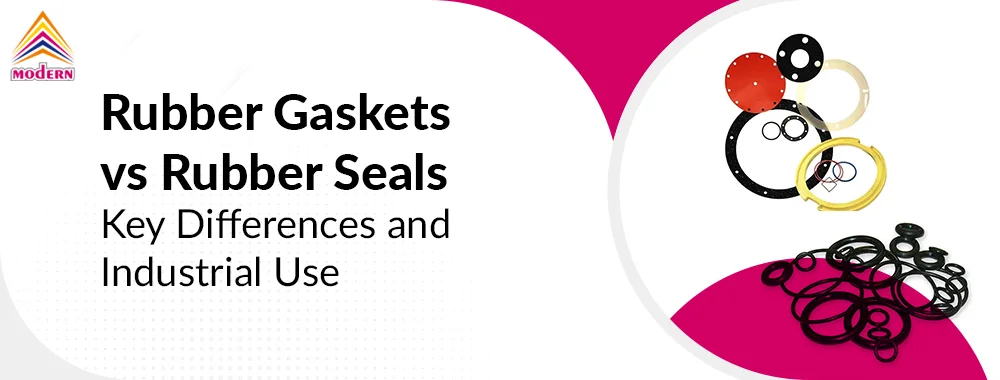
- Rubber Gaskets, used for leak proof joints
- Rubber Grommets, used for protecting wires through metal panels
- Rubber O-Rings, used for hydraulic and pneumatic sealing
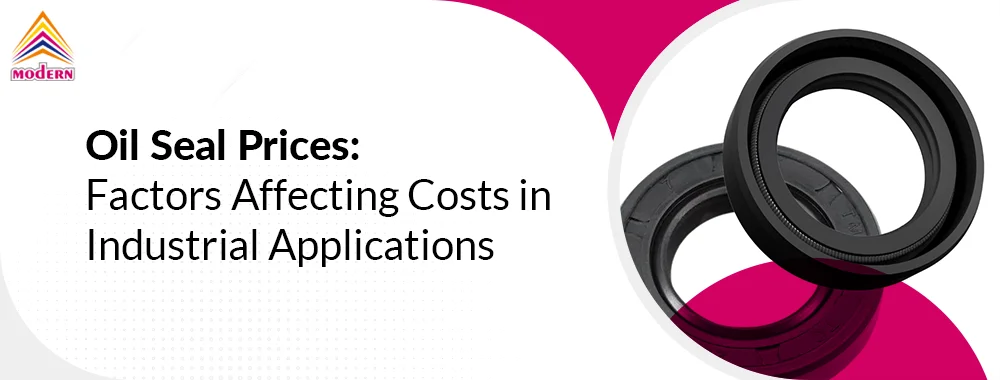
- Rubber Oil Seals, used for keeping lubricant in rotating shafts
- Rubber Profiles, used for custom extruded sealing shapes
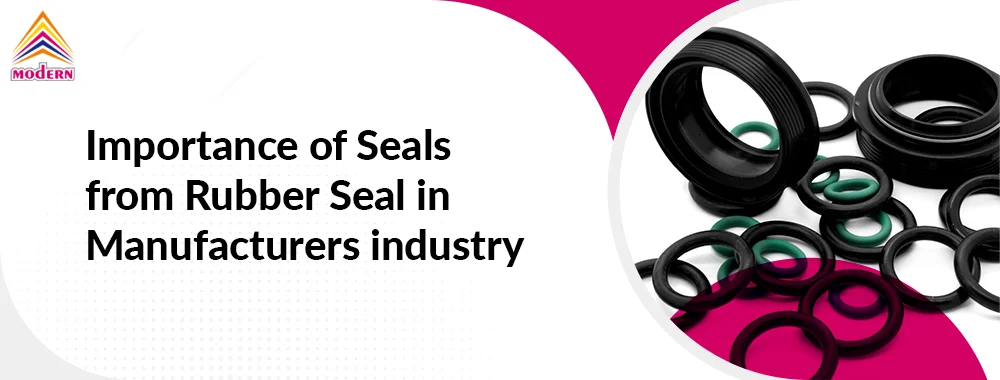
- Rubber Seals, used for general purpose sealing
- Rubber Sleeves, used for protective covering for cables and pipes
- Rubber Sheets, used for flat stock for gaskets and flooring
Selecting the Right Materials for Rubber Parts
Material choice affects how long a rubber part lasts and how well it performs under stress. NBR (Nitrile Rubber) resists oil and fuel, which is why it shows up in most automotive seals. EPDM handles weather, ozone, and outdoor exposure well, so it is a common pick for bellows and channels. Silicone tolerates both high and low temperatures, useful where heat resistance matters most. Neoprene offers a balance of oil resistance and flexibility. Natural rubber has strong elasticity and is often chosen for shock absorption and general purpose seals. A good manufacturer will help you choose the right material for the job instead of pushing whatever is cheapest to produce.
Understanding Industrial Rubber Manufacturing Processes
Most rubber parts are made using one of three main processes. Compression moulding presses raw rubber into a heated mould, which works well for bushings and gaskets. Extrusion pushes rubber through a shaped die to create long profiles, channels, and sleeves. Injection moulding suits more complex shapes that need tighter tolerances, such as diaphragms and grommets. Each process has its own effect on cost, lead time, and finish quality, so the right choice depends on the part you actually need.
Industries Served by Industrial Rubber Products
Industrial rubber products show up across almost every heavy industry. In the automotive sector, rubber is used for bushings, seals, and bellows in suspension and engine systems. Aerospace work relies on rubber for seals and vibration control where failure is not an option. Defence projects demand components that meet strict durability specifications. The power sector uses rubber gaskets and diaphragms in turbines and pumps. Railways depend on rubber for buffers, seals, and flooring. And electrical work uses rubber grommets and sleeves for insulation and protection.
How to Select a Reliable Rubber Products Manufacturer in India
Before you commit to a supplier, it helps to check a few basics rather than judging on price alone:
- Certifications: Ask if the manufacturer works to relevant ISO standards for quality control.
- MOQ (Minimum Order Quantity): Confirm whether they support small trial orders or only bulk runs.
- Lead time: Get a realistic delivery timeline, not just a sales promise.
- Customization: Ask if they can match your drawings, tolerances, and material specs, or only supply standard catalogue parts.
A manufacturer who answers these questions clearly, without vague or rehearsed replies, is usually one you can trust with repeat business. For a closer look at this process, see our related guide on how to choose the right rubber component manufacturer in India.
Get in touch to discuss your specifications
Why Partner with Modern Rubber and Plastic
Modern Rubber & Plastic manufactures a full range of industrial rubber and plastic components in India, built to the specifications our clients provide. We work across automotive, aerospace, defence, power, railway, and electrical projects, and we manufacture parts to relevant ISO standards. Whether you need a single prototype or a long term supply agreement, our team works directly with your drawings and requirements from the very first conversation, so there is no guesswork about what you are getting. Get in touch to discuss your specifications.
Frequently Asked Questions About Industrial Rubber
A manufacturer produces parts in house using its own moulds and machinery, which gives it direct control over quality and lead time. A trader buys from various factories and resells, which usually means less control over consistency and slower problem solving when something goes wrong.
Many can, though minimum order quantities vary by part type and material. It is worth asking directly rather than assuming a factory only works with large volumes.
Relevant ISO quality standards are a good starting point, along with any industry specific certification tied to your sector, such as automotive or defence requirements.
Lead time depends on the complexity of the part and whether a new mould is needed. Simple parts from existing tooling usually ship faster than fully custom designs.
Related Reading
Looking for a rubber products manufacturer in India for your next project?
Share your drawings, material requirements, or application details with the Modern Rubber & Plastic team.